
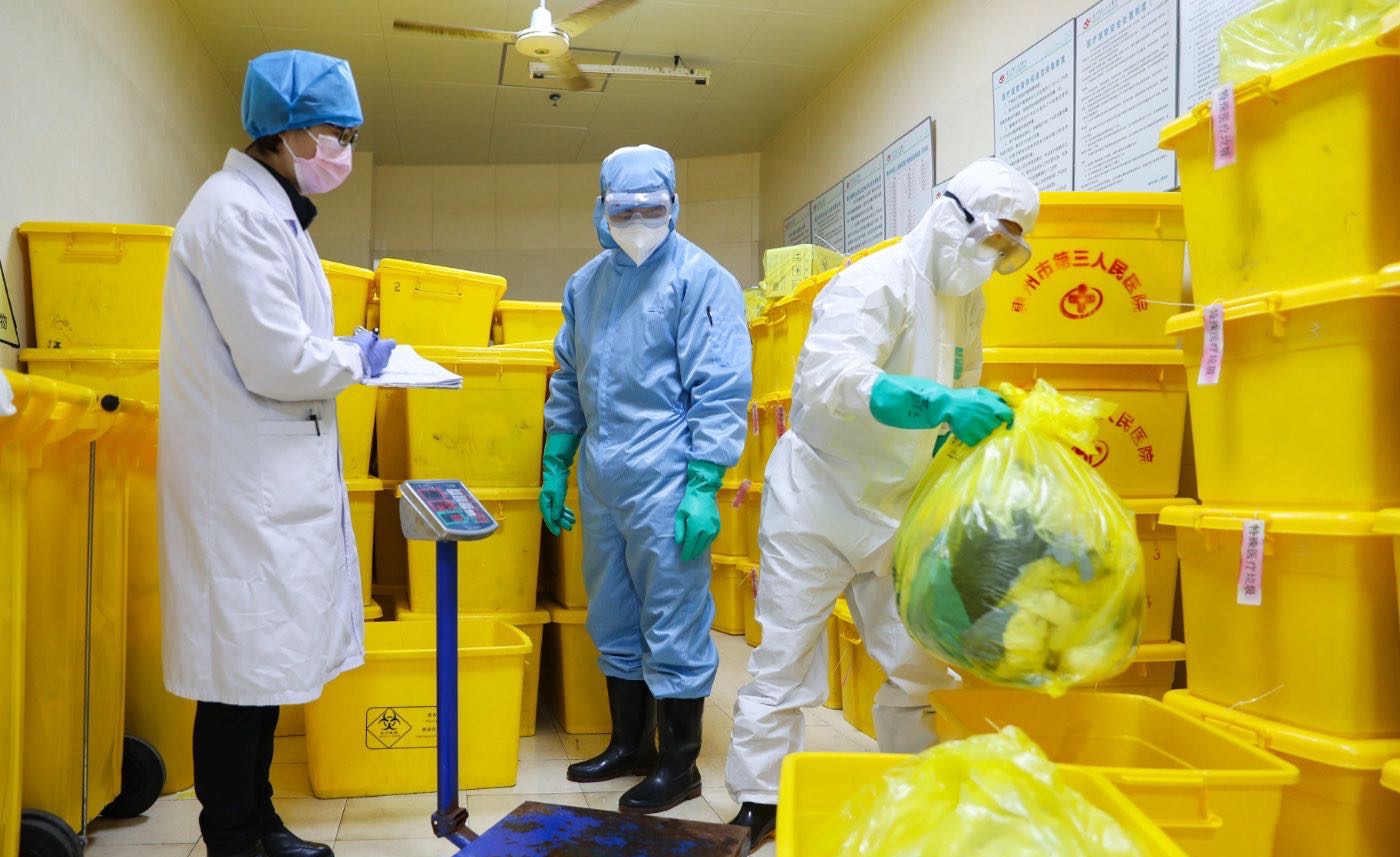
What is Medical Waste?
Medical waste is generated from healthcare facilities and contains potentially harmful microorganisms that can infect hospital patients, health workers and the general public.
——World Health Organization (WHO)
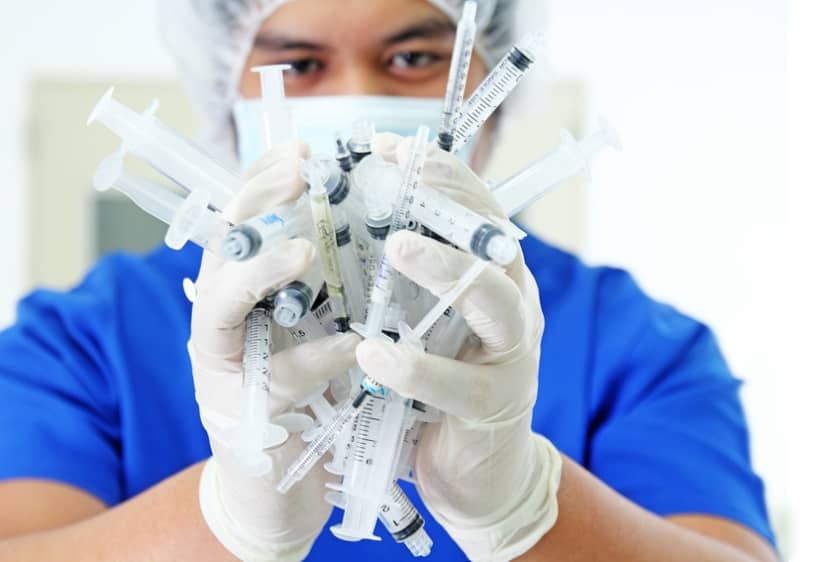
Type of Medical Waste
Infectious Waste: waste known or suspected to contain pathogens and pose a risk of disease transmission, e.g. waste and waste water contaminated with blood and other body fluids, including highly infectious waste such as laboratory cultures and microbiological stocks; and waste including excreta and other materials that have been in contact with patients infected with highly infectious diseases in isolation wards.
Sharps: used or unused sharps, e.g. hypodermic, intravenous or other needles; auto-disable syringes; syringes with attached needles; infusion sets; scalpels; pipettes; knives; blades; broken glass;Pathological Waste: human tissues, organs or fluids, body parts, foetuses, unused blood products and contaminated animal carcasses;
Chemical Waste: Solvents and reagents, disinfectants, sterilant, etc.
Pharmaceutical Waste: pharmaceuticals that are expired or no longer needed; items contaminated by, or containing, pharmaceuticals. Cytotoxic waste containing substances with genotoxic properties, e.g. waste containing cytostatic drugs (often used in cancer therapy); genotoxic chemicals

Hazards of Medical Waste
- Infection Risks
Pathogen Transmission:Improper handling can lead to needlestick injuries or direct contact, posing severe health risks to healthcare workers, waste handlers, and the public.
Epidemic Spread:During outbreaks (e.g., COVID-19, Ebola), mismanaged medical waste can amplify disease transmission in communities.
- Environmental Pollution
Soil and Water Contamination:Chemicals and pharmaceuticals leaching into soil/groundwater disrupt ecosystems and enter the food chain.
Air PollutionOpen burning or inefficient incineration releases toxic fumes (e.g., dioxins, furans) linked to cancer, respiratory diseases, and climate change.
- Public Health Crises
Communities near poorly managed waste sites face higher rates of infections, chronic diseases, and reduced quality of life.
Medical Waste Incineration and Dioxin Emission
Proper management of medical waste is fundamental to safeguarding both public health and the environment. While incineration has been employed for decades as a primary method of disposal worldwide, it also carries serious risks. When not properly designed or operated, medical waste incineration is a main source to generate invisible but extremely dangerous byproducts — most notably dioxins and furans, among the most toxic compounds known.
Microwave Medical Waste Treatment(Growth Trend)
An ideal solution to treat infectious medical wastes combining microwave treatment with high temperature steam sterilization to achieve an excelent decontamination efficiency. Fully automated and easy operation design adapt it to safely treat medical waste onsite where it is generated.
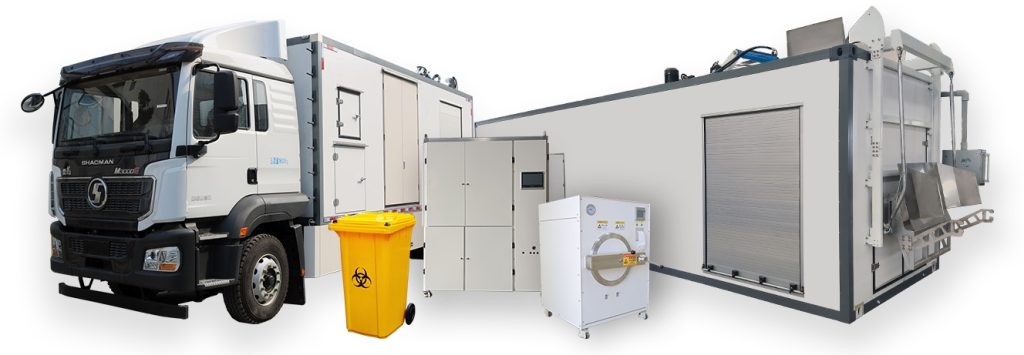
How it works?
- Mechanism: Microwaves cause water molecules within pathogens and waste to vibrate rapidly, generating intense internal heat (thermal effect) and disrupting cell structures (field effect).
- Process: Systems typically shred medical waste to 40-50mm and then use microwaves to heat it to sterilization temperatures (e.g., >95°C or 135°C keeping 45 minutes), killing bacteria, viruses, and spores.
- Efficiency: It’s faster than autoclaving because microwaves penetrate deeply and heat directly, reducing cycle times.
- treatment effect :≥6 log10 (99.9999%). The treatment effect test uses Bacillus subtilis var. niger spore (ATCC 9372) as biological indicator, with killing logarithm value ≥ 6.00.
Medical waste management is a critical component of healthcare operations. As regulations tighten and environmental concerns grow, facilities are seeking efficient, safe, and compliant ways to dispose of infectious and hazardous waste. Microwave Medical Waste Treatment Equipment offers a promising solution. These systems use microwave technology to sterilize waste on-site, reducing the need for transportation and lowering disposal costs. They are increasingly adopted across hospitals, clinics, and waste management companies aiming for sustainable practices and regulatory compliance.


Request A Free Quote