Onsite Medical Waste Treatment Solution for Hospitals.
An ideal solution to treat infectious medical wastes combining microwave treatment with high temperature steam sterilization to achieve an excelent decontamination efficiency. Fully automated and easy operation design adapt it to safely treat medical waste onsite where it is generated.
Medical waste management is a critical component of healthcare operations. As regulations tighten and environmental concerns grow, facilities are seeking efficient, safe, and compliant ways to dispose of infectious and hazardous waste. Microwave Medical Waste Treatment Equipment offers a promising solution. These systems use microwave technology to sterilize waste on-site, reducing the need for transportation and lowering disposal costs. They are increasingly adopted across hospitals, clinics, and waste management companies aiming for sustainable practices and regulatory compliance.
Quick Primer
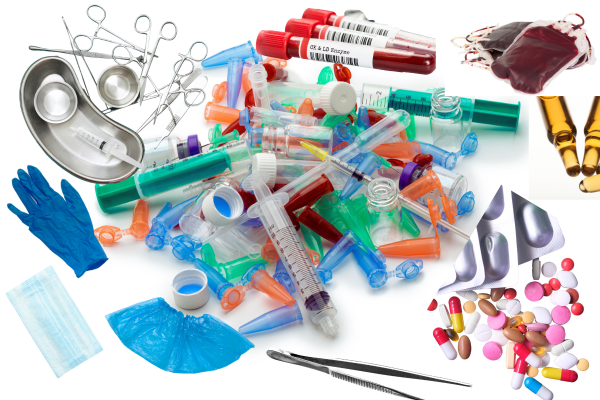
Microwave Medical Waste Treatment Equipment employs microwave energy to sterilize infectious waste, rendering it safe for disposal or recycling. Unlike traditional methods such as incineration or autoclaving, microwave systems are compact, energy-efficient, and environmentally friendly. They work by exposing waste to microwave radiation, which heats and destroys pathogens at a molecular level. This process typically takes minutes, making it suitable for on-site treatment at healthcare facilities. The equipment is designed to handle various waste types, including sharps, plastics, and contaminated textiles, ensuring compliance with health and safety standards. As regulations evolve, these systems are gaining traction for their ability to reduce hazardous waste volume and facilitate eco-friendly disposal.
How it works?
- Mechanism: Microwaves cause water molecules within pathogens and waste to vibrate rapidly, generating intense internal heat (thermal effect) and disrupting cell structures (field effect).
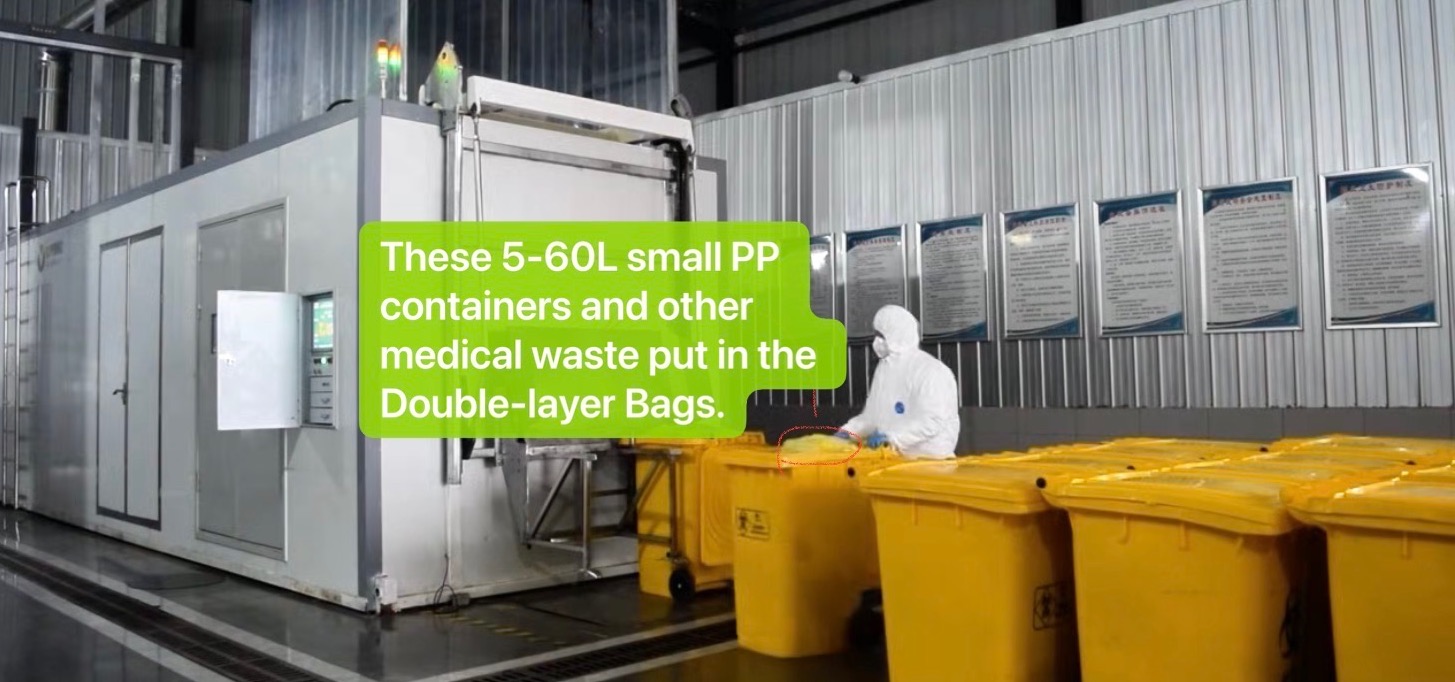
- Process: Systems typically shred medical waste to 40-50mm and then use microwaves to heat it to sterilization temperatures (e.g., >95°C or 135°C keeping 45 minutes), killing bacteria, viruses, and spores.
- Efficiency: It’s faster than autoclaving because microwaves penetrate deeply and heat directly, reducing cycle times.
- treatment effect :≥6 log10 (99.9999%). The treatment effect test uses Bacillus subtilis var. niger spore (ATCC 9372) as biological indicator, with killing logarithm value ≥ 6.00.
Top 5 Uses You’ll See in 2026
1. Hospital On-Site Waste Sterilization
Hospitals are adopting microwave systems to treat infectious waste directly within their premises. This reduces transportation risks and costs, while ensuring rapid sterilization. For example, large urban hospitals in North America report a 30% reduction in waste disposal expenses after implementing microwave units. The outcome is safer waste handling, improved compliance, and less environmental impact.
2. Remote Healthcare Facilities & Clinics
In rural or underserved areas, on-site waste treatment is vital. Microwave units are portable and easy to operate, making them ideal for clinics without access to centralized waste management. Adoption is growing in developing regions, where infrastructure is limited. These facilities see a significant decrease in infectious waste volume, improving community health and safety.
3. Medical Waste Management Companies Offering Eco-Friendly Disposal
Waste management firms are integrating microwave treatment to enhance their service portfolio. They can process medical waste at collection points, reducing transportation emissions and complying with stricter environmental regulations. Industry example: a European waste handler reports a 40% reduction in carbon footprint after deploying microwave systems across multiple sites.
4. Pharmaceutical & Research Labs
Labs generating biomedical waste are using microwave systems to sterilize waste before disposal or recycling. This ensures compliance with biosafety standards and reduces regulatory scrutiny. Adoption is driven by the need for rapid turnaround and minimal environmental impact, especially in biotech hubs.
5. Emergency & Disaster Response Units
Microwave equipment is increasingly used in disaster zones or emergency response scenarios where traditional waste treatment infrastructure is unavailable. Portable units allow rapid sterilization of contaminated waste, preventing disease spread in crisis zones. This use-case is expected to expand as portable technology advances.
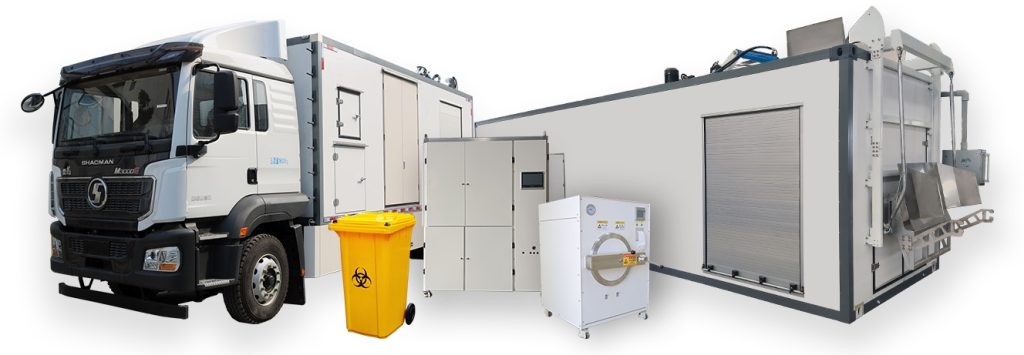
if you want to improve the production line, expand the capacity, please inquire us, we supply details Quotation.
you or your friends want to open more operation centers, we provide FREE Solutions, OEM design and One-Stop Services.


Request A Free Quote